

Door Lock Replacement - What You Need to Know
It's a good idea you to replace your locks when they begin to show signs that they are worn out. This could be due to experiencing difficulty turning the lock, or a key that does not fit.
It is simple to install new door hardware. It is all you need to do is follow these steps.
Deadbolt
The deadbolt is the primary security for your door against forced entry. It is stronger and more secure than the latch that activates the lock. Therefore, you'll want to make sure that the new deadbolt you purchase meets your requirements. If possible, choose a deadbolt made of case-hardened steel that doesn't have exposed screwheads on the exterior to stop drilling by anyone else. To enhance security, the inner side of your deadbolt should be secured to the door frame.
During installation, be sure that the bolt of your new deadbolt is extending smoothly through the strike plate as you shut and lock the doors. If it doesn't then use a chisel made of wood to mortise the bolt hole into the strike plate and put the deadbolt back in place. When you lock and close your door, make sure that the latch of the doorknob is in line with the deadbolt's hole.
Before installing the new deadbolt, ensure that it matches the size of the old one. The majority of door locks come with a template that tells you how high over the doorknob the bolt should be, but it's always best to consult an expert at the hardware store if not sure which backset measurement is appropriate for your doors. They can guide you towards models that are compatible with your door and the existing deadbolt opening.
Screw the bolt assembly into the door hole after ensuring it's the right length. If the new deadbolt comes with an opening faceplate, you can screw it in place and secure it, too. It is a good idea to fix the latch faceplate onto the frame with the recommended screws as well.
Some sets of locks come with an attractive or "dummy" bolt, which allows you to use the keyed-deadbolt, while having an effective latch. If you have this option, the dummy bolt should be installed with the same screws as your faceplate of the latch and it is essential that the two fit together properly for maximum security.
Some deadbolts are accessible only via a thumb-turn from inside some have two cylinders that allow keys and non-keyed access. It is recommended to select the lock that's commercial grade for the highest security. They've been tested to withstand up to 250,000 cycles of closing and opening before being sold to homeowners.
Latch
The latch is the component of the lock that retracts the bolt to open and close the door. It's usually secured by screws on the side of the lock, but it may also be fastened to the strike plate or to the inside of the door jamb. When replacing a door lock it is essential to make sure you get the correct one that matches your existing hardware. You can verify this by holding the latch up to the hardware you have already, or you can look on the label of the replacement. Dunn Lumber offers a wide selection of brands. However, it's best to select a brand that matches the hardware you already have. This will ensure that the latch you purchase will fit perfectly.
Some doors are equipped with a hasp in place of the latch. A hasp consists of straps with slots punched into it that fits over the staple. The staple is then attached to the frame of the door or door with nails. When the door is closed, the strap will pull the staple down and locks it in position. A hasp is typically used in commercial buildings because it's less expensive than deadbolts.
Locks can wear out over time like any other mechanism with moving parts. Sometimes the internal mechanism can "stick" or be difficult to turn. This may require replacement of the entire lockset. Sometimes, the handle or doorknob will break, and it is necessary to replace it as well.
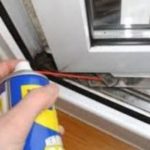
If your lock is sticking, you can try using some graphite inside the keyhole. You can either dust or spray it onto the key, then turn the lock a few times to work in the graphite. You can also remove the knob with a screwdriver, which will reveal all the components and let you observe what's going on inside.
After removing upvc door lock replacements , tighten the two or three screws at the edges of the cylinder by turning them clockwise. Also, remove the faceplate and replace it. Surface-mounted rimlocks have an additional set of cylinder setscrews on the back case that must be removed, as well as the faceplate.
Strike Plate
The strike plate, which is attached to the door frame above the holes that accommodate the master key bolt or deadbolt bolt system, strengthens and enhances a locking mechanism. It keeps intruders at bay by ensuring the latch of the lock is secured in the plate when the bolt is engaged. In addition to increasing security, a top-quality strike plate can also enhance the life of the lock.
Standard strike plates are flat plates made of metal with a hole, or several holes cut into them. It is anchored, typically with screws, onto the frame of a doorway to give the latch a place to rest in when it is closed. It is important that the strike plate is properly aligned with the lockset in order to offer maximum protection against break-ins.
If the strike plate of the door is damaged, you should replace it as soon as you can. This will ensure that your door can close and latch correctly. The first step in replacing the strike plate is to ensure that it is aligned correctly with the bolt hole inside the doorjamb. This can be accomplished by placing a piece of adhesive tape over the bolt hole and then testing the latch. If the latch doesn't work then take off the tape. Then, chisel the hole to ensure that the strike plate is flush with the doorjamb.
Once the area is cut out it is essential to use a more powerful screw to fix the strike plate. The screws should be at minimum three inches long to ensure they are securely anchored into the stud that is behind the trim board. If you don't install the screws that are longer, the wood in the doorjamb may split during a kickin attack by an burglar, leaving the door vulnerable.
A professional locksmith will quickly replace a worn or damaged strike plate. They can also put a new strike plate on doors that have never had one before. They can also upgrade existing strikeplates to improve the security of the building and its aesthetics. This can assist property owners in attracting tenants who are looking for a safer living space and peace of mind.
Keys
The key cylinder is the part of your lock that takes a particular key that allows pins to be moved into place so the inner handle can be turned. The key cylinder is the primary part of your door lock since it serves the purpose for which locks were created - to protect your family, you, and your possessions. Rekeying locks is a cost-effective option than replacing them.
It is more difficult to replace a lock than to simply swap out the existing handle and deadbolt. A complete change in the lock requires removing the old cylinder and hardware from the door (including the handle if you have a knob-lock combo) and then installing a new one in its place. While there are plenty of DIY-friendly kits available that you can use to replace a lock yourself, it is recommended that you speak with a professional locksmith to ensure the job is done properly.
It is crucial to have the right key before you install your new lock and cylinder. A duplicate key won't function properly and may even cause the lock's failure and make it impossible to open. A professional can help prevent this by ensuring you have an authentic, functioning key for your house.
The next step is to remove the faceplate and latch plate. To take off the screws that hold them in place, you'll require a screwdriver. You may want to keep them in place if the new plates are identical to the original ones. This will help you save time. If you are required to replace them, don't overtighten screws as this can weaken their grip.
After removing the plates, you will need to determine the measurements for your new locks. It is crucial to know the door's dimensions before you go to the hardware store. Although a lot of locksets available can be used today to fit on a standard door's thickness, it is best to purchase them ahead of time. You should also be aware that doorknob locksets can be different sizes than deadbolt locksets. Commercial models can have an additional bolt or latch.